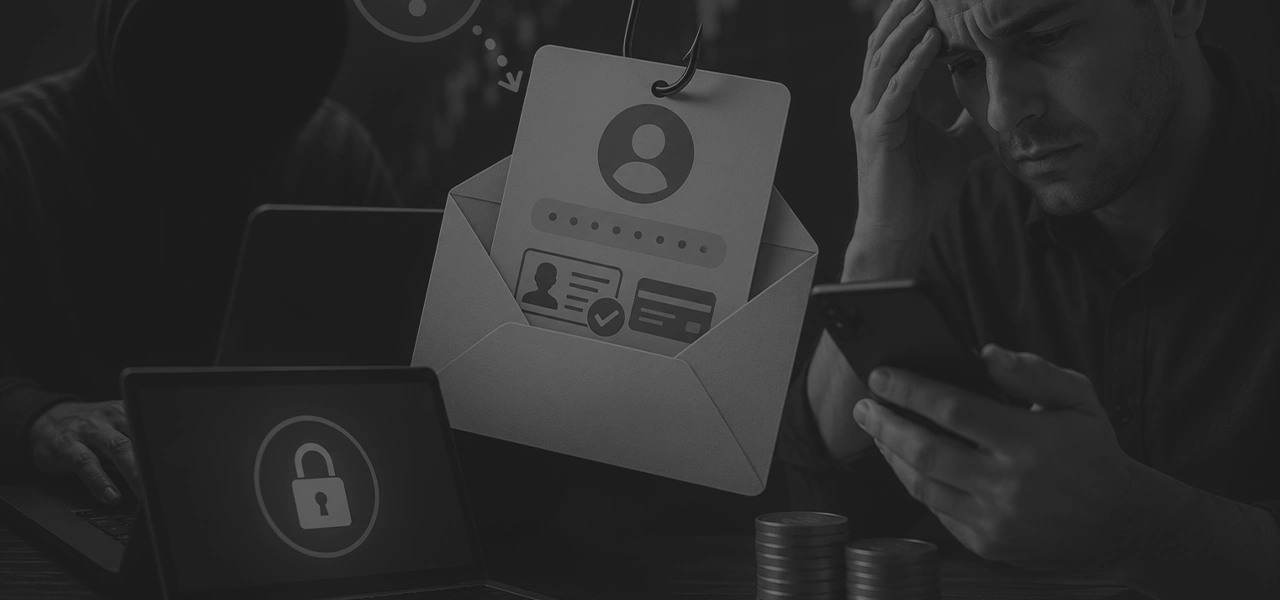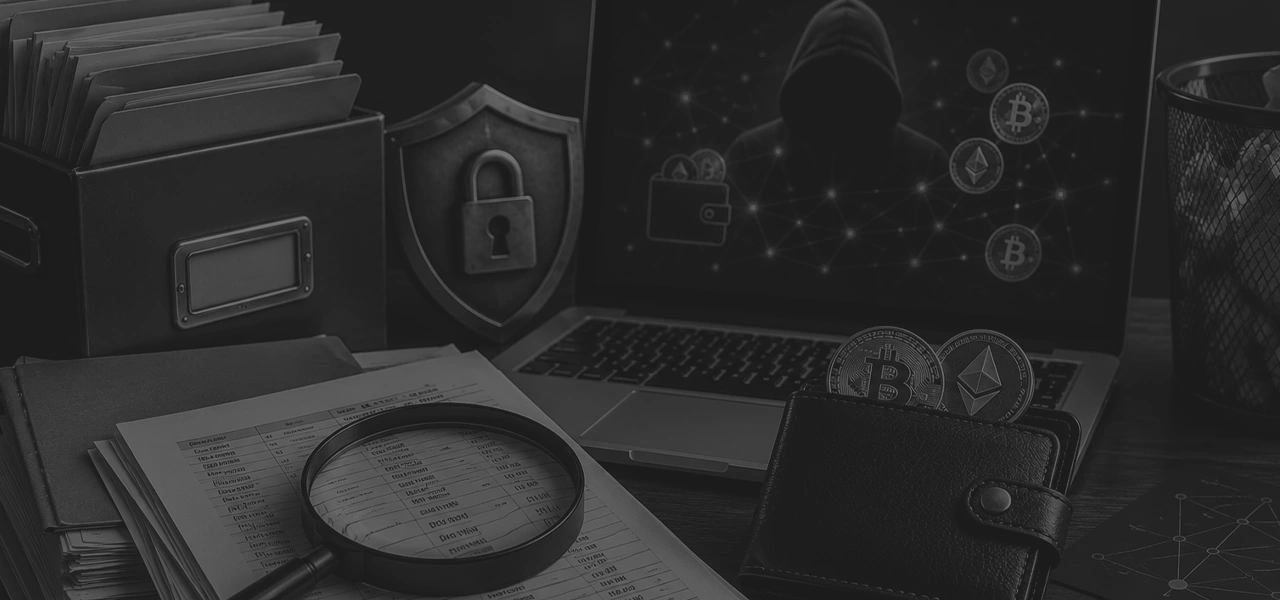
The request that sounds almost reasonable
You have been using the platform to trade for weeks. The statistics continue to rise, the dashboard appears tidy, and your “advisor” has been nothing but professional and patient.
Then, something new appears just as you are about to make a withdrawal: your wallet must first be validated. It may be framed as a security audit. Maybe it’s called anti-money-laundering compliance.
Either way, it sounds official enough that most people don’t question it, and that’s exactly the point.
Why does this tactic work so well
After weeks of what seemed like a genuine engagement with a platform and a person, nobody wants to believe they are being conned. You’ve already spent money, effort, and faith by the time the “verification” request appears.
Walking away now feels like giving up on money that’s already yours, at least on paper. Scammers know this. The request isn’t designed to look suspicious. It’s designed to look like the last small step before you finally get paid.
What “wallet verification” actually means to a scammer
Real exchanges and brokers don’t ask you to send money, gas fees, or a “security deposit” from your own wallet before releasing your own funds. But that’s precisely the script scammers run:
- A “verification fee” to confirm ownership of the wallet
- A “gas fee” supposedly required to unlock a large withdrawal
- A “tax clearance” payment before profits can be released
- An “audit fee” to prove the account isn’t linked to fraud
Every one of these is framed as temporary: pay this, and the rest goes through. It never does. Each payment just opens the door to the next one, until the account goes quiet or the site disappears entirely.
The dashboard was never the real product
Here’s the uncomfortable truth: the balance you’ve been watching grow was never actually money moving anywhere. It’s a number on a screen, controlled entirely by whoever built the platform.
Early withdrawals sometimes do go through small enough to build confidence, timed early enough that you keep investing. But once the amount gets large, that’s when “verification” appears, and that’s the tell. Legitimate platforms don’t invent new fees the moment you try to take your own money out.
What to do if you’re staring at one of these requests right now
Don’t pay it. Not the fee, not the tax, not the “one last step.” If a platform genuinely holds your funds, it doesn’t need a payment from you to release them; that’s not how custody works anywhere in finance, crypto, or otherwise.
Instead:
Screenshot everything: the request, the chat, the dashboard balance, the platform’s URL. Stop sending any further payments immediately. Contact your bank if any part of this involved a card or wire transfer, and ask about a chargeback or recall.
If crypto changed hands, save every wallet address and transaction hash; blockchain transfers are traceable, even when they’re spread across multiple wallets to make tracking harder. Then report the platform to your country’s fraud authority and, if it claimed any kind of license, to the regulator it name-dropped.
The pattern is always the same
Whether it’s called an audit, a verification, or a compliance check, the underlying move hasn’t changed in years: ask for one more payment before the “real” money comes through.
It’s the same tactic dressed up in newer, more official-sounding language, because plain “send us a fee” stopped working a long time ago.
If a platform ever asks you to pay to receive money that’s supposedly already yours, that’s not verification. That’s the scam finally showing its hand.