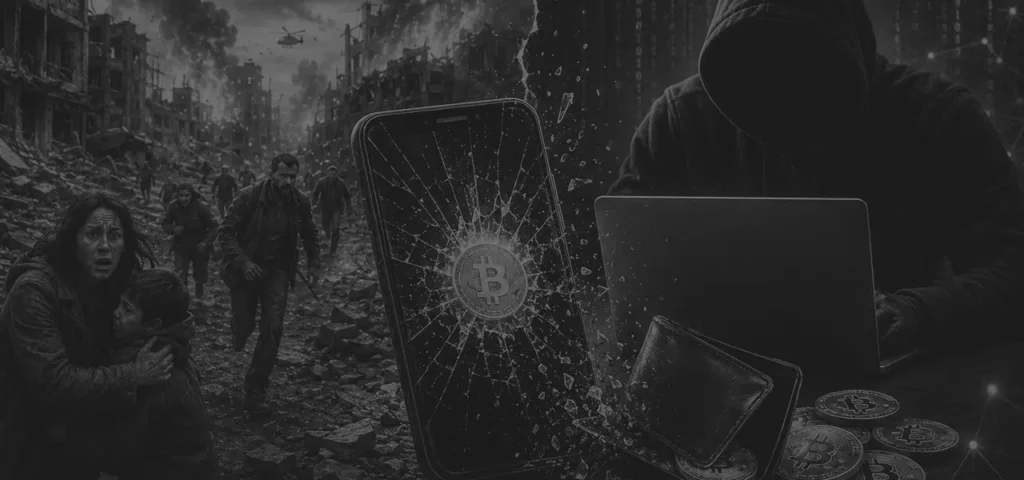
Can a breaking news alert really lead to a bad financial decision in under a minute?
Yes, and scammers are counting on that exact moment.
When tensions rise between nations, like the ongoing friction between the United States and Iran, people don’t just follow the news. They react to it.
The moment a major headline breaks, everything speeds up.
They worry. They speculate. And increasingly, they make financial decisions in the middle of that emotional rush.
People refresh their feeds. Notifications start piling in. Opinions, predictions, and “urgent insights” flood timelines within seconds. In that chaos, it becomes harder to tell what’s actually happening and what’s being engineered to look that way. And that’s where the real problem begins.
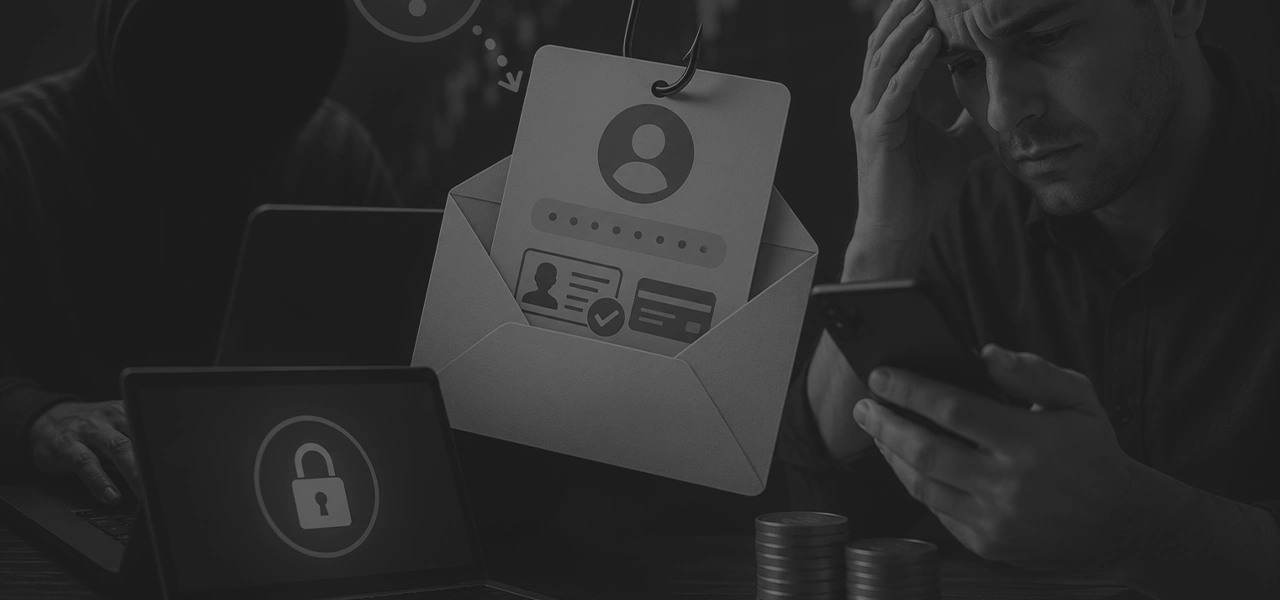
Because not every “breaking update” is just news. Some of it is bait. That’s exactly where a crypto scammer takes the lead, often using fear-driven narratives to promote fake investment opportunities or Taxation withdrawal scams designed to pressure victims into making fast payments.
During periods of geopolitical tension like the current friction between the United States and Iran, uncertainty creates a lot of noise online. People are mostly just trying to keep up with what’s happening.
No hacking or technical skill is required, just the right message delivered at the right time. For example, a tweet suggesting that markets are about to crash
Or a message hinting at a “safe” crypto investment during global instability.
Sometimes it’s framed as insider information. Other times, it’s disguised as advice.
But the goal is always the same: to make you act before you think.
And in crypto, that split-second decision can be expensive.
Unlike traditional finance, there’s no safety net waiting in the background. Transactions move fast, and once they’re done, they’re done. There’s no undo button, no customer support line that can reverse a transfer made in panic.
That’s what makes these scams different and more dangerous.
They don’t rely on long-term manipulation. They rely on moments. Small windows where emotions take over, and judgment slips just enough.
The scary part isn’t how complex these scams are. It’s how simple they’ve become.
A headline.
A sense of urgency.
A single click.
That’s often all it takes.
So the real question isn’t whether these scams exist; they clearly do.
The question is: how do you recognize one when it shows up disguised as breaking news?
How These Scams Actually Work
At first glance, most panic-driven crypto scams don’t look like scams at all.
They look like information.
It usually starts with something urgent but believable, like a post, message, or video tied to real events such as rising tensions or market shifts. It’s subtle and just convincing enough to get your attention. Then it adds pressure.
You may see phrases like “act fast,” “before the market reacts,” or “this won’t last long. are meant to pressure you into acting quickly, without much time to think.
And then comes the opportunity.
Sometimes it’s a “safe” coin that’s expected to rise during instability.
Sometimes it’s early access to a project supposedly connected to global events.
Other times, it’s a link disguised as a trusted platform asking you to connect your wallet.
That’s the turning point.
Because once you click, connect, or transfer funds, the control shifts instantly. There’s no dramatic warning, no obvious sign that something went wrong. In many cases, everything looks normal until the funds are gone, often beyond recovery.
How Fear Becomes a Tool
Moments of global uncertainty create a perfect storm. News spreads fast, often faster than it can be verified. Social media fills up with breaking updates, opinions, and predictions.
Some of those posts aren’t real.
Scammers know that when people are anxious, they’re less likely to double-check what they’re seeing. A tweet claiming “markets will crash in hours” or “this coin will surge because of war” can push someone to act without thinking it through.
It doesn’t take much just the right message at the right moment.
gone.
And by then, the window to react has already closed.
The Anatomy of a Panic-Driven Scam
These scams usually follow the same structure, no matter the details. While the stories vary, the pattern stays consistent. It typically begins with urgency, using posts, messages, or videos that suggest major events are unfolding due to geopolitical tensions. Next comes the hook. It could be:
- A “safe” crypto investment during conflict
- A sudden opportunity tied to oil prices or sanctions
- A “leaked” insider tip
It usually ends with a request to transfer money, link your wallet, or invest before it’s ‘too late.’ And by the time you pause to think, the funds are often gone.
Why Crypto Makes It Easier
Traditional banking systems have layers of protection. Crypto doesn’t work the same way.
Crypto doesn’t work like regular finance. Everything moves quickly, can’t really be reversed, and often happens without clear identities. That’s part of the draw, but it also makes scams tougher to recover from.
If you send funds to the wrong address, there’s usually no support line to call and no chargeback waiting on the other side.
Scammers rely on that finality.
Social Media: The Real Battlefield
Platforms like X, Telegram, and YouTube have become central to how these scams spread.
Many fake accounts try to look legitimate by copying journalists, analysts, or even government officials. Some build credibility over time before posting a single scam link. Others rely on hacked profiles that already have a following.
During moments tied to real-world tension, even a convincing username, viral engagement, and a few thousand likes can be enough to make false information or romance scams appear legitimate.
The Psychology Behind It
These scams don’t work because people are careless. They work because people are human.
Fear plays a big role. FOM, O the fear of missing out, adds to it. When that feeling hits, it’s easy to stop thinking clearly.
A person might think:
- “What if this is real?”
- “What if I miss the opportunity?”
- “What if everyone else is already acting?”
That kind of pressure is exactly what scammers rely on.
Simple Ways to Stay Safe
You don’t need deep crypto knowledge to protect yourself. Build a few habits; start by pausing whenever something feels rushed.
- Verify information through multiple trusted sources.
- Avoid clicking links from unknown accounts
- Never share private keys or wallet access
- Be skeptical of anything tied directly to breaking news
Staying cautious and following guidance from trusted resources like firstfundsrecovery can help reduce the risk of falling victim to crypto-related scams. The key is to slow down, verify facts, and avoid making financial decisions based purely on urgency or fear.
Final Thought
Global events have always moved markets that’s nothing new.
What’s different now is how quickly bad information can spread and turn into real losses. In crypto, where acting fast can feel like the key to winning, taking a step back can actually protect you. Because sometimes the real danger isn’t the market; it’s the narrative you got pulled into believing.