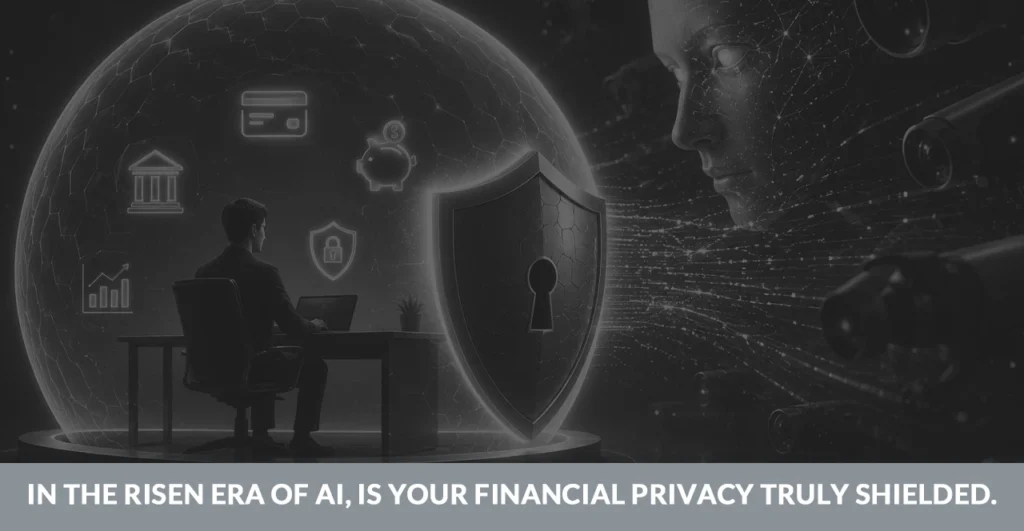
Are you being watched secretly?
In a world influenced by AI, the answer might surprise you.
AI is becoming so advanced and secure, yet scammers are being updated daily with new technologies, in the evolution of an increasingly faster-paced generation.
We truly should never place blind and adhesive trust in “Artificial Intelligence”. Instead, we need to stay aware, think critically, and use it with intention and care. When used thoughtfully and responsibly, AI can lead to consistently positive outcomes.
Every time you make a transaction, send money, or shop online, something is being recorded. It doesn’t feel invasive. It feels practical, comfortable, and favourable.
AI has made banking apps easy to use, more user-friendly, and far more seamless than they once were. It helps to detect fraud early, offers services that feel more personal, and simplifies decisions that used to take time and careful thought.
How much of our financial data do we truly control, or are we trusting the system more than we realise?
Deep Diving into the knowledge
How AI Is Used In Cyber Scams
If you ever felt the shock of a suspicious transaction or the frustration of being scammed, you’re not alone. A wave of cold panic usually sets in, as this can be extremely stressful and painful. It’s common to replay the situation in one’s mind and wonder what could have been done differently.
Unfortunately, cyber scams have become more common, and it has affected thousands of people every year.
Understanding the Trap: Common Types of Cyber Scams
1. Online Shopping Scams: One of the most common scams, Online shopping has made life easier; just a few clicks and what you need is on its way. Scammers took advantage of these conveniences.
Often, scams: what you see on the website doesn’t look suspicious.
They look:
Familiar
Urgent
Trustworthy
“Don’t Get Fooled”
The website and the deal often look attractive and genuine, and the offer may seem too good to miss, but after you pay, the order never shows up.
2. OTP and Verification Scams: OTP stands for One-Time Password. They are meant to keep your accounts secure. But fraudsters have found ways to turn them against us.
Here’s how these scams actually work:
– You receive a call or a message asking for your OTP or verification code.
– The message may see urgent, warning of a problem with your account or a transaction,
– Sharing it can give scammers full access to your account
NOTE: No legitimate service will ask you for your OTP.
3. Impersonation Scams: Most scammers pretend to be bank officials, Government agents, Customer service representatives, and even friends or family. Fraudsters build trust first, then ask for money and data. The aim is straightforward- they want you to trust them enough to share money, personal information, or account access.
At its core, the goal is to deceive from your trust.
Remember to be extra cautious before acting on messages or calls that feel urgent.
Never share any personal details, passwords, verification code, or OTP with anyone you haven’t verified.
4. Phishing Scams: The attacks usually come in the form of emails, text messages, or social media messages. appearing to be from your reliable sources, such as your bank, payment apps, or popular online platforms.
They try to lure you into clicking links or sharing sensitive information, allowing them to steal your data.
- Investment and Crypto Scams: These scams are highly sophisticated and serious fraud. Let’s break it down precisely to help you understand clearly: major types of Investment and crypto scams.
Ponzi Scam;
– Promise high returns with little risk.
– Early investors are paid with money from newer investors.
– If someone promises guaranteed high returns with no risk, it’s likely a scam.
Pump-and-Dump Crypto Scam;
– Fraudsters heavily create the hype and promote a new or unknown crypto coin online- Telegram, WhatsApp, Discord, and other social media apps.
– By far the most convincing lines they use are: Last chance to get rich! Or this coin will 10x in a week!
– If a coin is being aggressively promoted with “guaranteed profits” and urgency, take a step back- it’s often a trap, not an opportunity.
Cloud Mining and Fake DeFi Scam
– These fake investment platforms use a manipulative tone, promising you can earn crypto effortlessly – just invest and sit back.
– At first glance, everything seems legit, with your account showing steady daily profits, but when you try to take your money out, you suddenly face fees, delays, or even a blocked account.
Reality Check:
That easy money feeling? That’s exactly what scammers count on.
Practical Safety Tips
You can be careful and still get tricked- that’s how convincing things have become.
Here are simple habits that can genuinely protect you in everyday situations:
– Huge discounts on unknown sites? That’s your cue to slow down.
– Never share your OTP. No matter how urgent it sounds.
– Be extra cautious with urgent money requests.
– If you’re not sure, just go to the official website yourself instead of clicking the link.
– If someone promises guaranteed returns, that’s a big red flag.
Conclusion
We should question before we trust
The ease makes us less aware.
It feels easy to trust what feels within reach and effortless. A one-click payment, a fast transaction, an instant confirmation, and we move on without a second thought.
In these daily moments, we often forget to ask and do a background check.
We stop noticing. We stop questioning. And before we even realise it, our actions start to feel like “muscle memory”.
But this is where we need to pause.
We need to stay conscious in our everyday moments- because that’s where awareness begins.
Never let trust settle in without being questioned. Don’t let your trust get too comfortable; deception often hides in harmony.