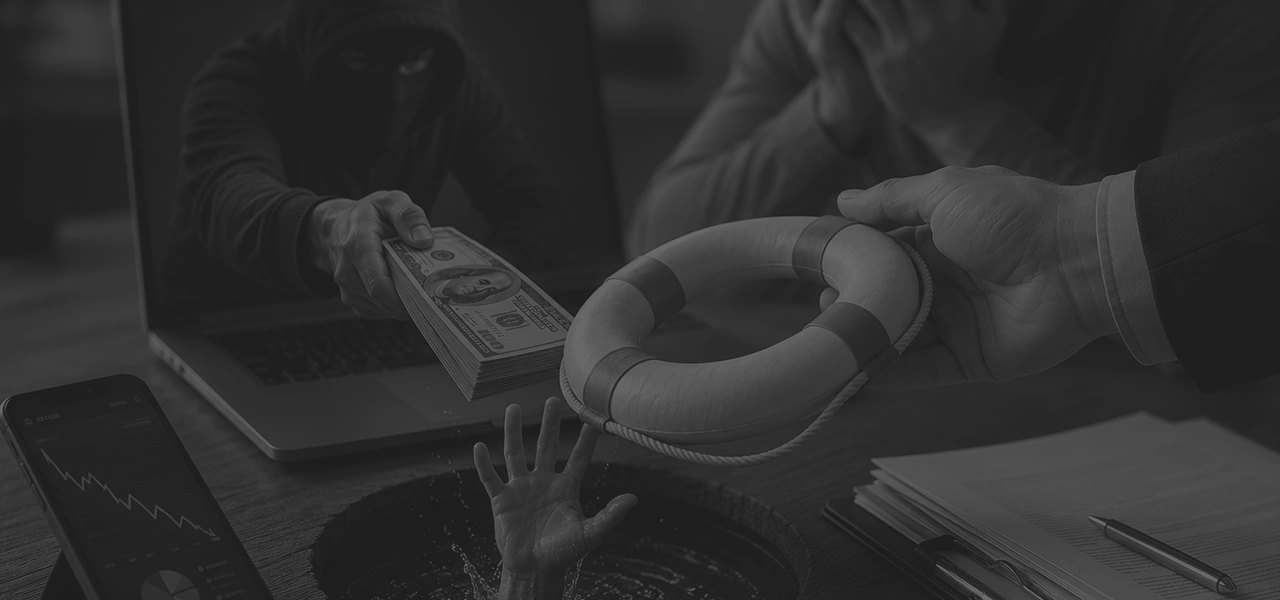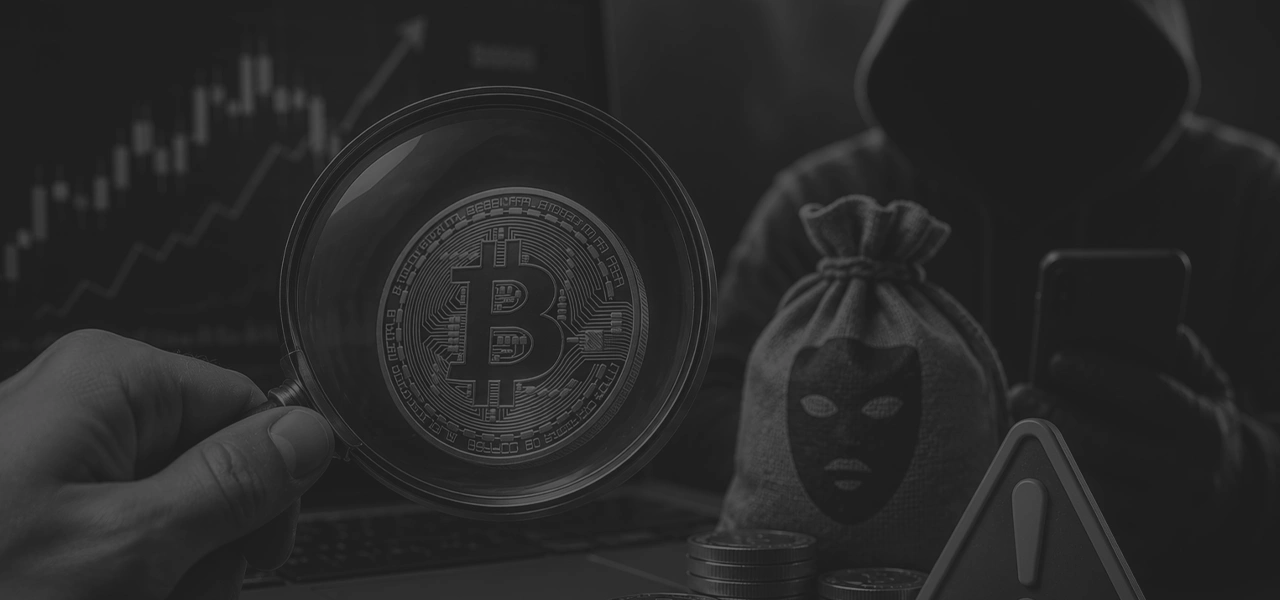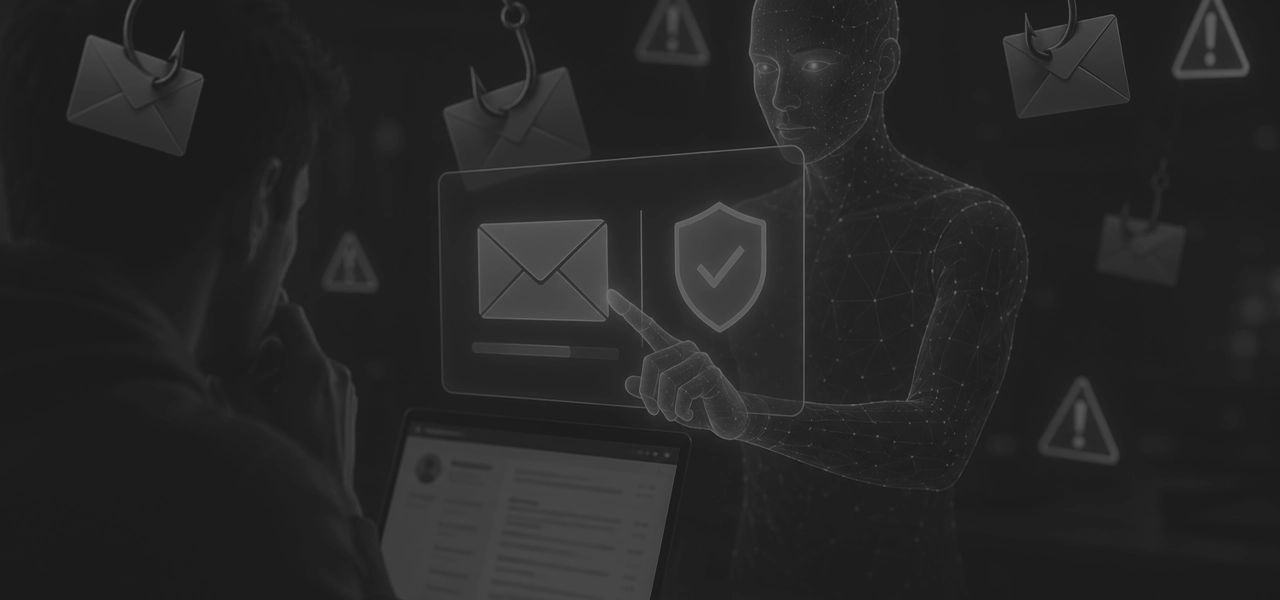
A widely reported Hong Kong case demonstrated how convincing AI deepfakes can be. An employee was reportedly deceived during a video conference involving a fake CFO and colleagues and was persuaded to authorize a multimillion-dollar transfer.
Every person on that call, except her, was a deepfake. That’s why stories like this are no longer rare. As AI tools become more accessible, scammers increasingly use the same techniques in cryptocurrency scams.
The Old Scams Just Got a Serious Upgrade
Crypto scams aren’t new. Fake giveaways, pump-and-dump schemes, phishing sites that look identical to real exchanges- all of that has been around for years. What’s changed is the quality and scale AI brings to the table.
Take voice cloning. Fake someone’s voice used to take a few minutes of decent audio and a little technical know-how, and it usually sounded off.
Now, tools can clone a voice convincingly from a few seconds of audio scraped off a YouTube video or Instagram story. Scammers have used this to impersonate crypto founders, project leads, even family members, calling victims and asking for “urgent” wallet transfers.
Then there’s the fake celebrity endorsement problem, which has genuinely exploded. AI-generated videos of Elon Musk, Donald Trump, and various crypto influencers pushing fraudulent tokens have circulated widely on YouTube and X.
These aren’t grainy, obviously fake clips anymore. Some use real footage from actual interviews with the audio swapped out, so the lip movements sync up disturbingly well. A viewer scrolling quickly has almost no shot at spotting the fake.
Chatbots Doing the Dirty Work
Romance scams, commonly known as “pig butchering” scams in the industry, used to require real people typing real messages for weeks or months to build trust with a victim before steering them toward a fake investment platform. It was labour-intensive, which limited how many victims a scammer could run at once.
AI chatbots eliminated that bottleneck. Many of the scam operations are based out of compound-style fraud centres in Southeast Asia, and now they’re using AI to run dozens or even hundreds of conversations at a time, each one personalised enough to seem real. The bot remembers things, changes tone, and gradually moves the target to a fake trading app with made-up returns climbing day after day.
Victims deposit more, encouraged by profits that exist only on a screen they can’t actually withdraw from. By the time they try to cash out, the platform disappears.
Fake Websites and Smart Contracts Built in Minutes
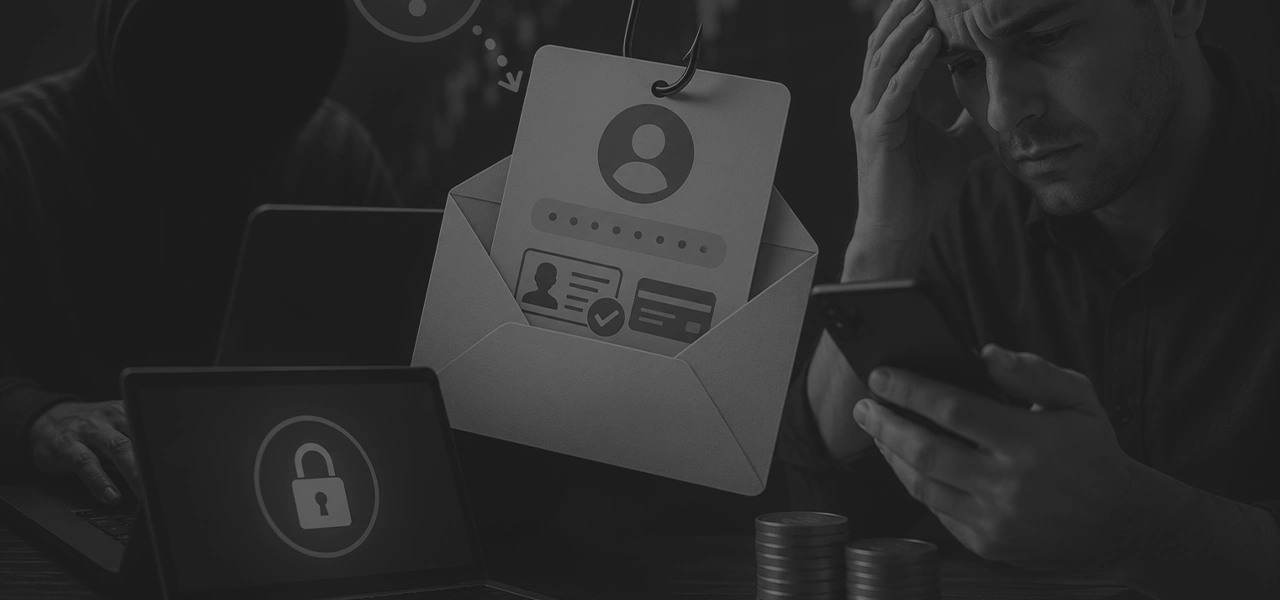
AI has also made it much easier for scammers to build convincing fake websites and malicious smart contracts. Cloning an exchange’s login page used to take some web development skill.
Now generative tools can spit out a near-perfect replica in minutes, complete with working (fake) two-factor authentication prompts designed purely to harvest credentials.
On the smart contract side, AI coding tools have made it easier for less technical scammers to write malicious contracts that look legitimate on the surface but have hidden functions that allow the creator to drain a token’s liquidity pool whenever they want. This is often called a rug pull.
While this has long predated AI, the tools have made it available to a much wider pool of bad actors.
How to Actually Protect Yourself
None of this means crypto is doomed. Or that you should assume every project is a scam. It does mean the old advice needs updating.
Validate identity on another channel. If someone calls or video chats and asks for a transfer, just hang up and contact them by a different method you had previously agreed upon, not a number or link they just gave you.
Never trust the urgency. AI scams still use the same psychological pressure tactics that old scams used: act now, don’t think, don’t verify. That urgency is the giveaway.
Don’t assume a video or voice recording is genuine just because it looks or sounds real.
Deepfake technology has advanced to the point where visual and audio cues alone are no longer reliable indicators of authenticity.
Research before you invest, and research more than usual. Check whether a project’s team is verifiable, its code has been audited, and whether it makes guaranteed-return claims, which should be treated as a major warning sign regardless of how convincing the messenger seems.
The Bigger Picture
AI has not so much created new categories of crypto fraud as accelerated existing categories to be faster, cheaper, and far more convincing. The same tools that allow a scammer to impersonate a CFO in real time are the same tools helping legitimate businesses automate customer support.
That overlap is exactly what makes this hard to fight. There’s no single fix, just a slower, more sceptical way of interacting with anything crypto-related that arrives urgently, out of nowhere, and asks for money.
Disclaimer: This article is for general educational purposes only. Cryptocurrency recovery is not guaranteed, and individual outcomes vary depending on the circumstances of each case. Be cautious of anyone promising guaranteed recovery or requesting fees based on guaranteed results.