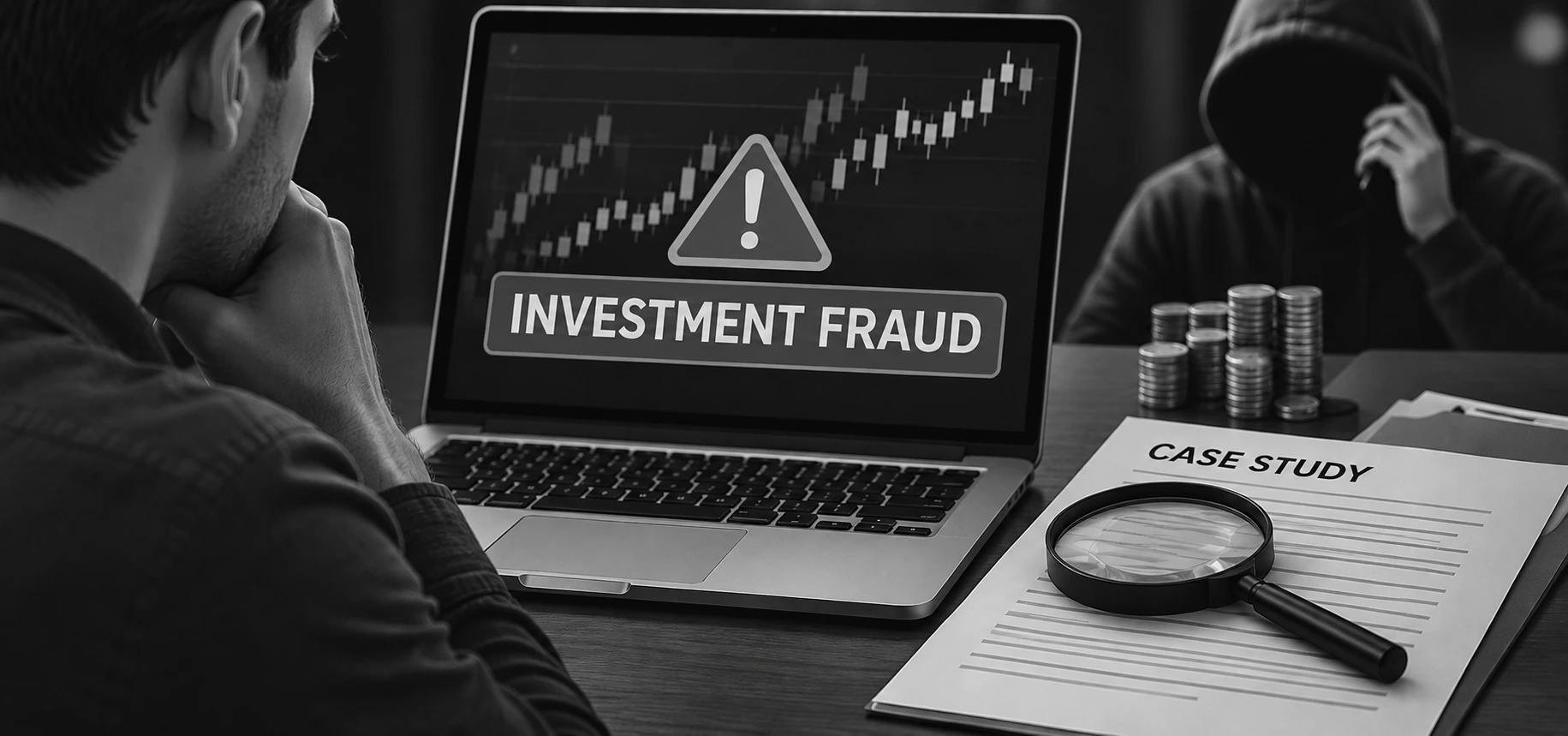
Numbers alone don’t change behaviour. Telling someone that crypto fraud cost victims billions last year rarely lands as well as a single, specific story.
So let’s walk through one: how a $25,000 loss unfolded for a woman we’ll call Sarah, and how investigators eventually traced her money across eight different wallets.
The details matter, because they show exactly how convincing modern fraud has become, and where the warning signs were hiding in plain sight.
How It Started
Sarah, a mid-level marketing professional, was approached on social media by someone posing as a financial advisor. There was no hard sell at first, just friendly, low-pressure conversation.
Over time, that contact introduced her to a cryptocurrency investment platform. The site looked legitimate: dashboards, charts, live customer support, all the trappings of a real business.
She tested it with $2,000. Within days, her dashboard showed impressive gains. Encouraged, she kept adding money.
A “personal advisor” told her exactly when and how much to invest, and each time, the numbers on screen kept climbing.
Eventually, her total reached $25,000.Then she tried to withdraw.
Where the Trap Revealed Itself
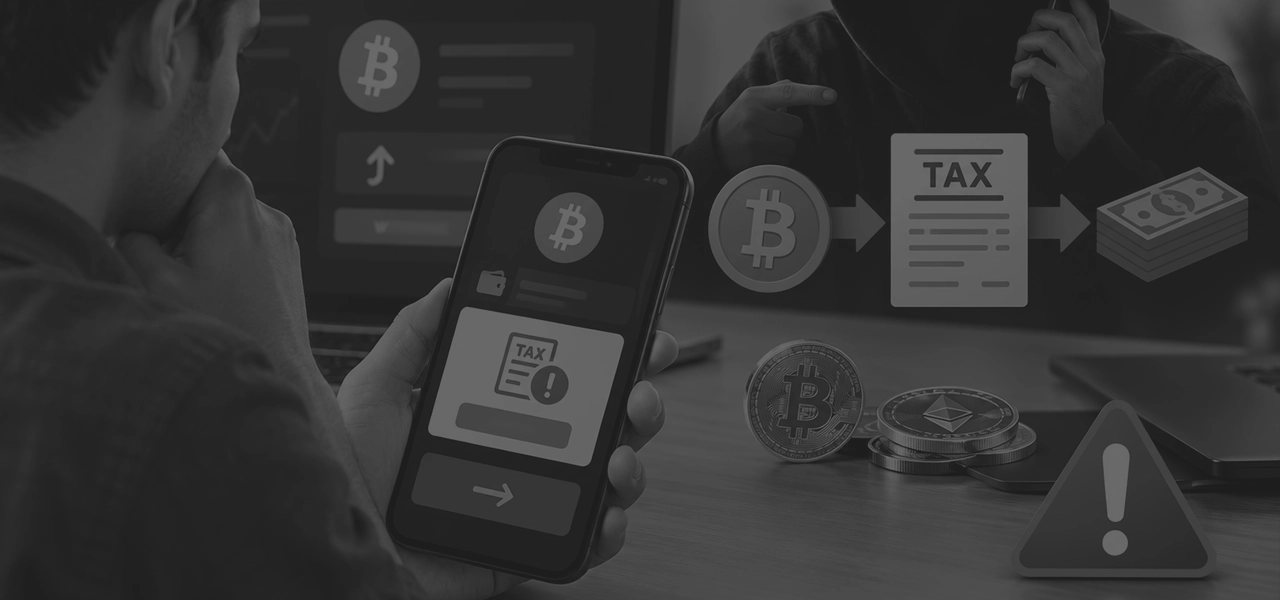
Instead of releasing her funds, the platform demanded additional payments: withdrawal processing fees, tax clearance charges, account verification costs.
Each one came with the same promise that it was the final step before her money would arrive. It never did. Eventually, the platform stopped responding entirely.
That’s when Sarah understood what had actually happened.
Tracing the Money
After she reported the fraud, investigators used blockchain analysis to follow her payments.
Unlike a bank wire, cryptocurrency transactions are recorded on a public ledger, which made tracing possible even after the platform went dark.
Every payment Sarah made had been funneled into a single wallet controlled by the scammers. From there, the money was quickly split into smaller amounts and scattered across eight separate wallets, some transfers happening within minutes of each other.
Portions of the funds passed through mixing services designed specifically to sever the trail between sender and receiver before finally landing in cryptocurrency exchanges, often the last stop before stolen funds are converted into cash.
What This Case Actually Teaches
A few things stand out once you look past the shock of the number itself.
Early profits are often just numbers on a screen. Sarah’s dashboard showed real-looking growth, but nothing she saw reflected an actual, withdrawable asset until she tried to cash out.
Fake platforms can be genuinely convincing. Polished design and responsive support don’t verify legitimacy. Plenty of fraudulent platforms outspend real ones on appearances.
Withdrawal fees are a hard stop, not a formality. Legitimate platforms don’t charge you to access money that’s already yours. Any fee framed as the “last step” should end the relationship immediately.
Trust is the actual product being sold. The technology wasn’t what convinced Sarah. The relationship with her “advisor” was. Scammers invest heavily in that relationship because it’s what disables skepticism.
Crypto isn’t as untraceable as people assume. The blockchain’s public nature meant investigators could follow the money even after the scammers vanished, though recovering it is still a separate, much harder problem.
The Bottom Line
Sarah didn’t lose her savings because she was careless. She was targeted deliberately, convinced gradually, and pulled in through a process built to feel safe at every stage.
That’s how these schemes work now, and it’s why “question anything that seems easy, fast, or guaranteed” isn’t just a cliché.
If you’ve already lost money, speaking with qualified fund recovery specialists may help you understand what options are available, what evidence to preserve, and what steps to take next.
It’s the one habit that would have stopped this before the first $2,000 ever left her account.