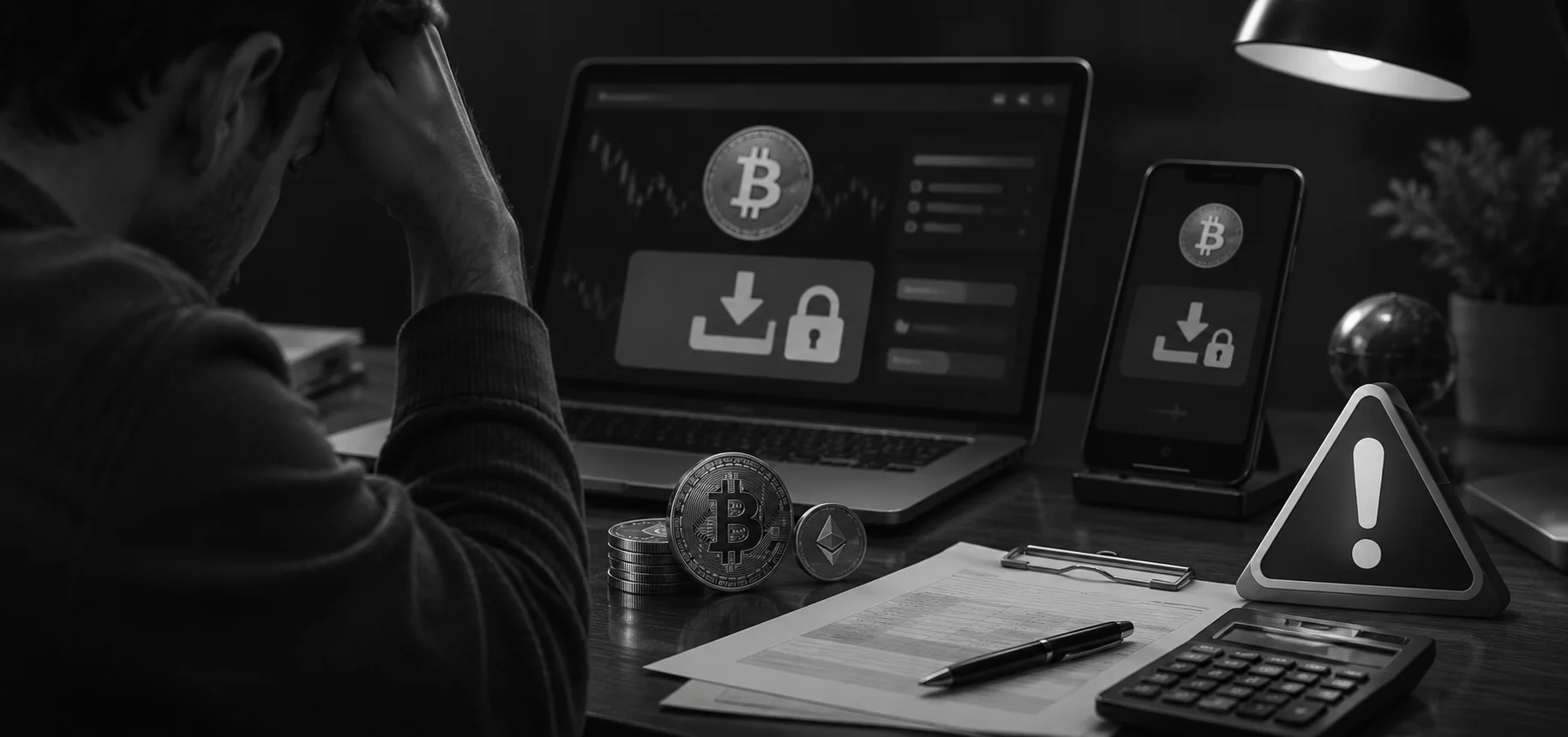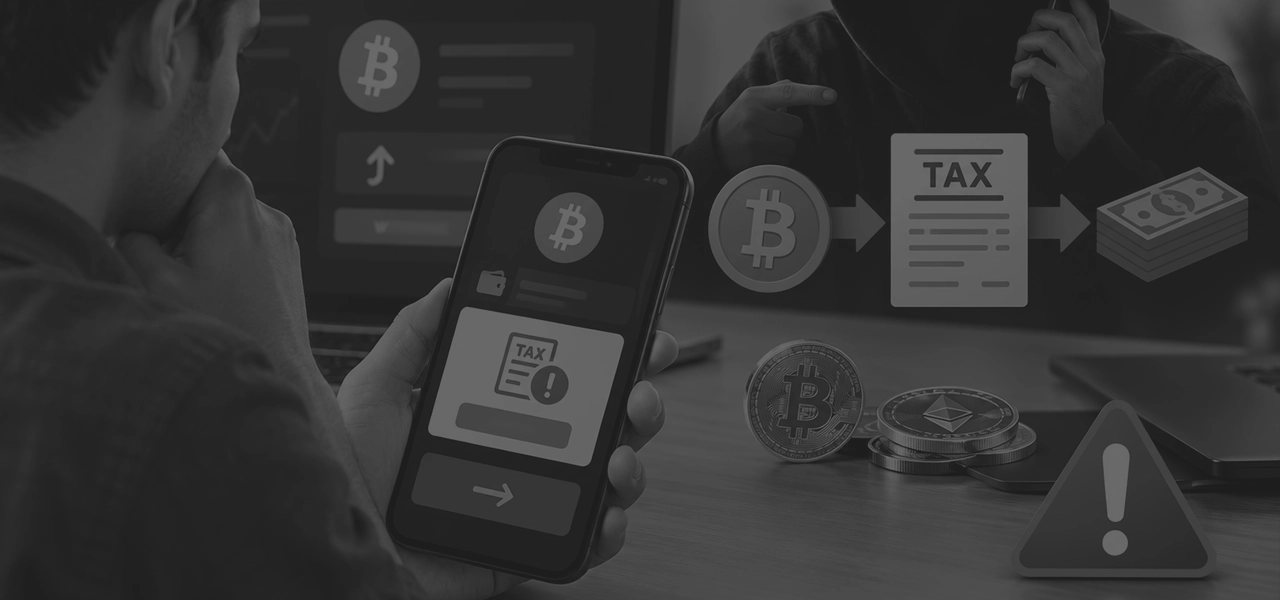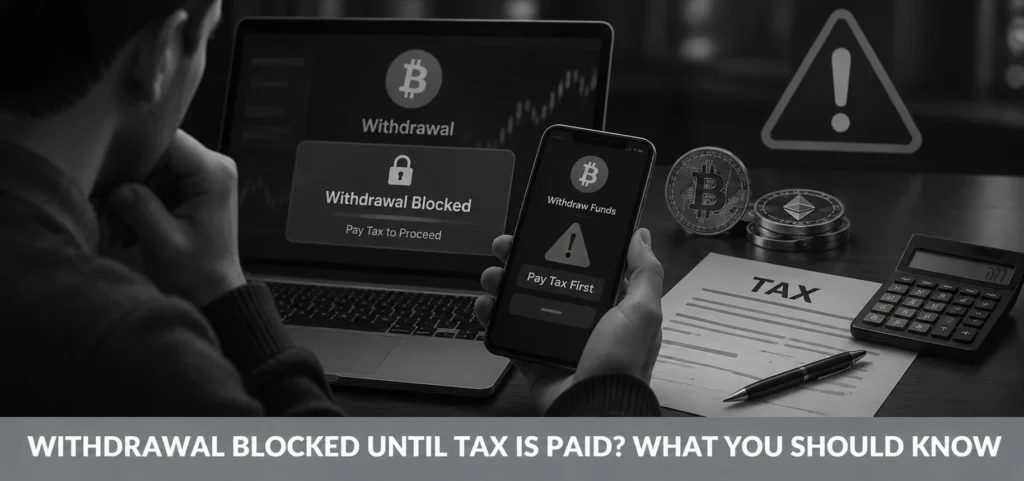
You log in, check your balance, and there it is: the number you’ve been waiting for. You hit withdraw. Then, out of the blue, you get a pop-up message that says you have to pay a “tax” before the transfer can be completed.
If that just made your stomach sink a little, you are not alone. This is a very common – and very misunderstood – point with online trading and investment platforms. So what is really going on?
Let’s look at the facts. The answer depends on where you are drawing from.
The brutal reality first
In most real systems of finance, you don’t pay tax before you get your money. Profits from crypto, earnings from trading, or gains from investment are taxed after the fact — usually when you file your annual return, not at the exact moment you try to cash out.
“So if a platform says ‘pay this fee and your funds will be released,’ that is a red flag you should take seriously. This is one of the oldest tricks in the book, and one you’ll see in fake trading apps, unregulated crypto exchanges, and “investment” schemes that promise unrealistic returns in the first place.
How the scam works (usually)
It typically starts small. You deposit some money, watch your “portfolio” grow (often through numbers that exist only on a dashboard, not in any real market), and eventually decide to withdraw. That’s when the excuses begin. First it’s a “withdrawal tax.” Then maybe an “anti-money laundering fee.” Sometimes it’s dressed up with official-sounding language, fake regulatory logos, or a countdown timer designed to rush you into paying before you think too hard about it.
Each payment buys you another excuse, not your money. People have paid thousands trying to “unlock” funds that were never real to begin with.
But is it always a scam?
Not necessarily, and this is where it gets tricky. There are a few legitimate scenarios where taxes genuinely intersect with withdrawals:
- Some countries impose a withholding tax on dividends, interest, or capital gains earned by non-resident investors. A regulated broker automatically deducts this tax before payout.
- Most retirement or tax-advantaged accounts (like a 401(k) or similar) will penalise or withhold if you withdraw early; this is standard and disclosed upfront.
- Crypto exchanges may be required to report or withhold amounts under local tax law in some jurisdictions.
The key difference? These situations are documented, predictable, and handled by regulated institutions, not sprung on you as a surprise condition attached to a random support chat message.
That distinction is especially important when you’re trying to identify an investment scam disguised as a legitimate financial platform.
How to tell the difference
Ask yourself a few questions before paying anything:
- Is this platform actually licensed and regulated where you live?
- Can you find independent reviews, or does every result online mention “withdrawal problems”?
- Did the “tax” appear only after you tried to withdraw, with no prior mention in your account terms?
- Are you being pressured with urgency countdowns, warnings that your account will be frozen, threats of losing your funds?
If you’re nodding along to most of these, it’s worth pausing entirely. Real financial institutions don’t operate this way.
What to do if you’re stuck
Stop paying immediately. Screenshot everything — chats, transaction history, any promises made. Report the platform to your country’s financial regulator or consumer protection agency, and if you paid through a bank or card, contact them about a possible chargeback or fraud claim.
If you decide to seek professional help, research trusted fund recovery companies carefully, verify their credentials, and avoid anyone who guarantees recovery or demands large upfront fees.
It’s a hard pill to swallow, but paying more money rarely gets stuck funds released. The safest move is almost always to stop, document, and report, not to keep feeding a system that was never designed to pay you back.