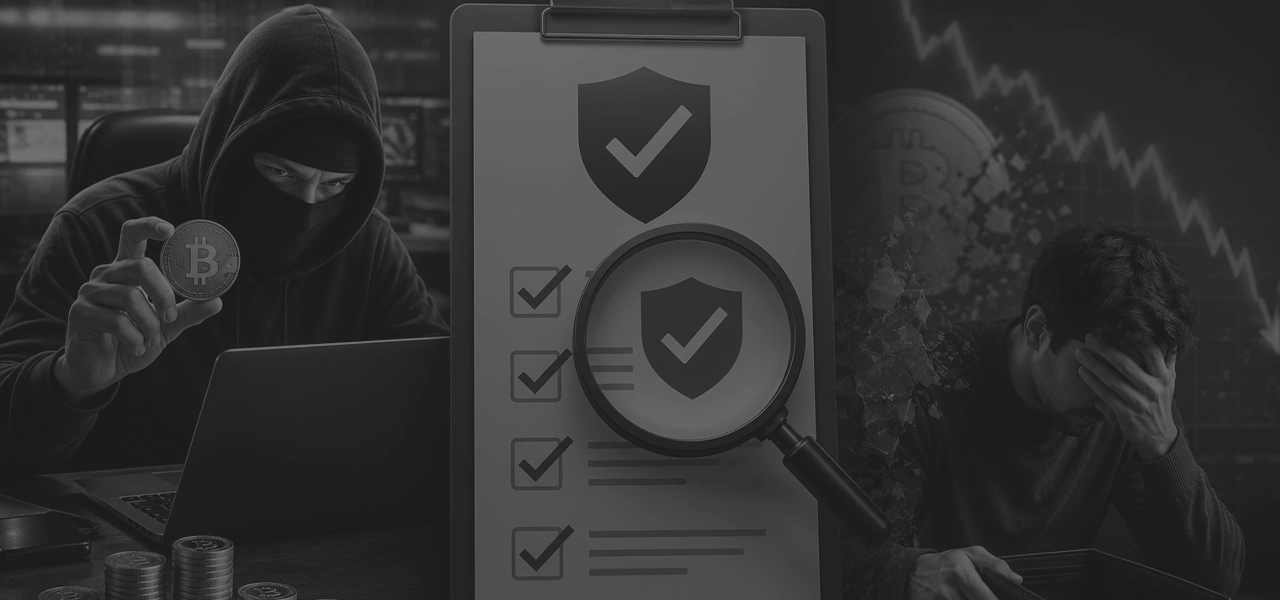
Crypto scams are smarter than ever in 2026. Here’s what actually keeps your funds safe, and the habits that quietly leave you exposed.
Introduction
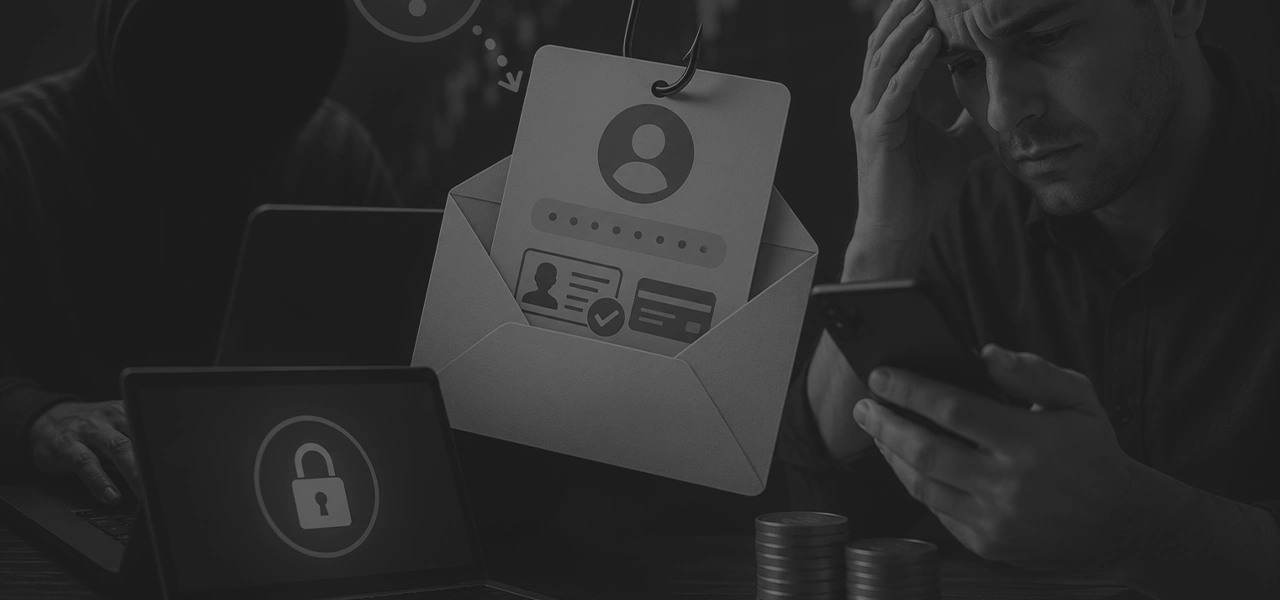
Crypto scams don’t look like scams anymore. Cloned exchange pages, AI-generated voice calls, fake “support agents” who know your transaction history- all meant to feel routine.
When you finally realise something is not right, the money is probably already gone.
The truth is, most crypto theft doesn’t happen because hackers break into sophisticated systems. It happens because scammers convince people to make one costly mistake clicking the wrong link, trusting the wrong person, or approving the wrong transaction.
Where Most People Go Wrong First
Before scams even enter the picture, most vulnerability starts with basic habits:
- Keeping large balances on exchanges instead of cold storage
- Passwords being reused across wallets, email, and exchange accounts
- Using SMS 2FA that can be bypassed via SIM swapping
- Approving smart contract permissions without reading them
Fixing these four habits removes many of the opportunities scammers rely on.
The Scams You Are Most Likely to Encounter
Crypto fraud in 2026 tends to fall into a few repeatable categories:
- Phishing sites built to look identical to real wallets and exchanges
- Fake giveaways promising to “double” whatever crypto you send
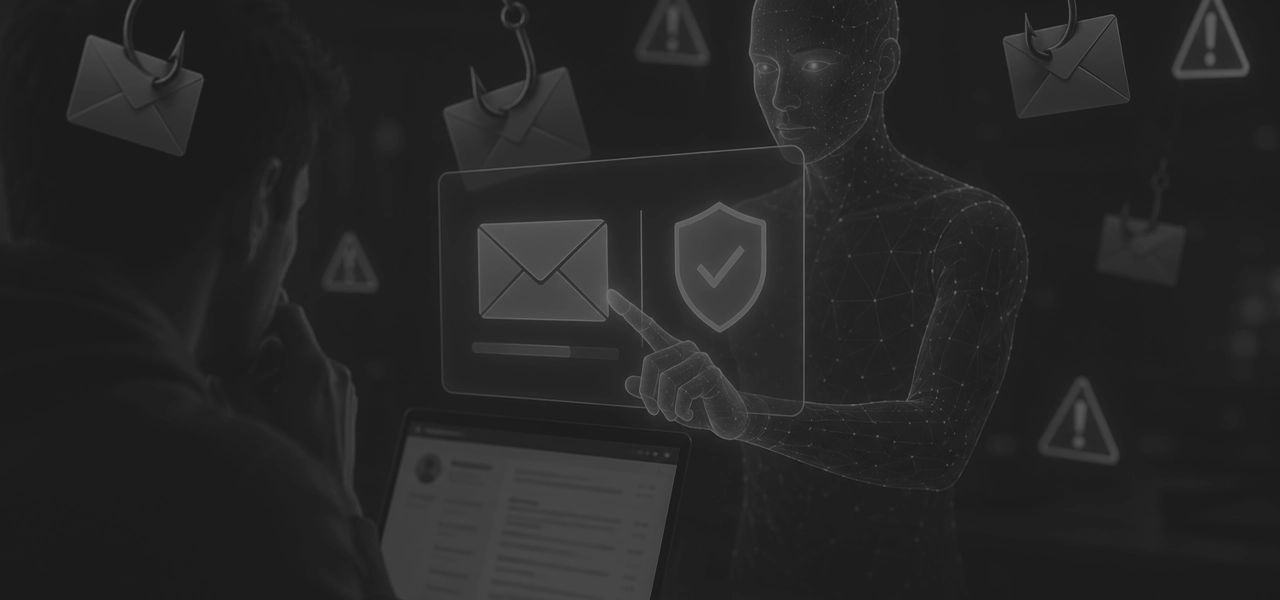
- Impersonation scams using cloned voices or deepfaked video calls
- Romance and relationship scams that slowly steer victims toward fake trading platforms
- Malicious smart contracts that quietly drain wallet permissions
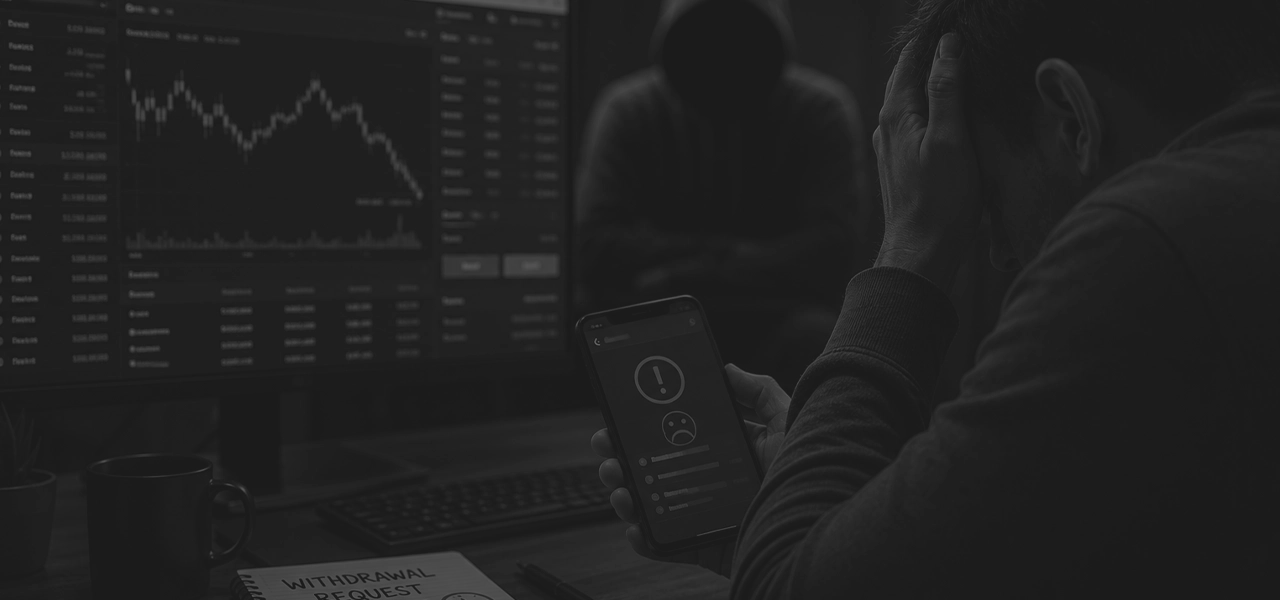
Knowing which category you’re dealing with changes how you should respond. If you can’t withdraw crypto, stop sending money and verify the platform before taking further action.
Mistakes That Make You an Easy Target
Some habits do more damage than the scam itself:
- Typing a seed phrase into any website, ever
- Clicking wallet or exchange links from emails or DMs
- Trusting urgency: “act now or lose access”
- Skipping research because a return looks too good to check
👉 These mistakes are what turn a random scam attempt into an actual loss.
✅ Steps That Actually Protect Your Crypto
If you want real protection, not just peace of mind, these steps matter most:
- Move Funds to Cold Storage
Keep only what you’re actively trading on an exchange. Everything else belongs in a hardware wallet. - Use an Authenticator App, Not SMS
Google Authenticator or a physical security key is far harder to compromise than a text message. - Bookmark Your Sites
Access wallets and exchanges only through saved bookmarks, never through links sent to you. - Review Wallet Permissions Regularly
Tools like Revoke. Cash let you check and cancel old smart contract approvals before they become a liability.
What Real Security Looks Like Over Time
Protecting crypto isn’t a one-time setup. It’s an ongoing habit:
- Initial Stage: Move funds to cold storage, secure your accounts
- Ongoing Stage: Verify every link, every call, every “urgent” request
- Periodic Stage: Review permissions, update passwords, check for new threats
One thing stays constant:
Convenience often comes at the expense of security. Taking a few extra minutes to verify something can prevent a costly mistake.
Risks People Tend to Overlook
Losing funds is only part of the danger. Many victims also face:
- Repeated targeting once scammers know you’ll engage
- Fake “recovery experts” charging fees for funds they’ll never retrieve
- Personal data exposure from phishing sites disguised as KYC forms
Staying alert after an attempted scam matters as much as before one.
How to Check If a Platform Is Legit
Before connecting a wallet or sending funds anywhere new, verify:
✔ The URL matches the official domain exactly
✔ The team and company are verifiable outside their own website
✔ Smart contracts have been audited by a known firm
✔ No one is pressuring you to act immediately
If something feels off, it usually is. These checks can help you avoid becoming a victim of a crypto scam.
Why Good Habits Sometimes Still Fail
Even careful users get caught out. Common reasons include:
- Convincing AI-generated impersonation
- Trusting a contact whose account was itself compromised
- Approving a permission without reading what it grants
- Assuming a platform is safe because a friend used it first
Protecting your crypto isn’t about being perfect. It’s about reducing the number of opportunities scammers have to take advantage of you.
When to Slow Down and Check Again
Pause and verify independently if:
- Someone is asking for a transfer with urgency attached
- A “too good to pass up” investment appears out of nowhere
- A site asks for your seed phrase, for any reason
- A text or call is not that person’s usual way of communicating
And often that pause is all that separates you from a mistake.
Final Thought
Crypto scams in 2026 are more convincing than ever before. But the basics that protect you haven’t changed nearly as much as the scams have.
Cold storage, real 2FA, careful verification, and a healthy dose of scepticism still work. It’s not about avoiding risk. It’s about never being the low-hanging fruit in the room.
If you’ve already lost funds to a crypto scam, professional recovery specialists may be able to help you understand your options and possible next steps.
Recovery is not guaranteed, and individual outcomes vary depending on the circumstances of each case.