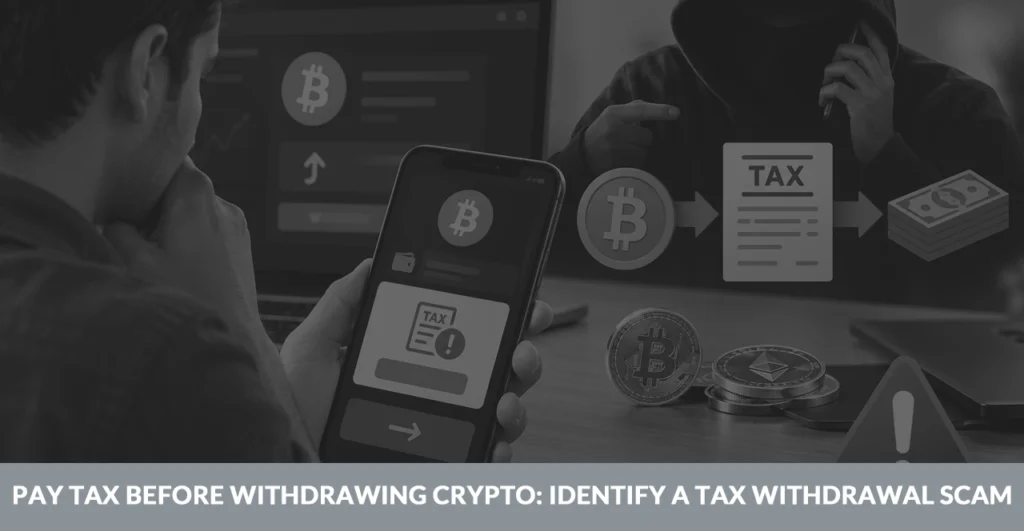
You’ve been trading for months. The portfolio’s finally green. You log in to cash out, and there it is – a pop-up telling you that before you can withdraw your funds, you have to pay a “withdrawal tax.” Maybe it is 15%. Maybe it’s a flat fee in official-sounding language. Either way, there is something wrong, and honestly, your gut is right.
There’s a name for this scam in crypto circles, and it’s become depressingly common. Let’s look at how it works, and more importantly, how to see it before it costs you.
This scam often follows a familiar pattern
It’s always the same setup
It usually starts with an exchange or “investment platform” you found through a Telegram group, a Facebook ad, or a message from someone you met online who seemed genuinely interested in helping you grow your money.
You deposit a small amount first. It grows fast, suspiciously fast. Encouraged, you put in more.
The dashboard shows numbers climbing. Everything looks legitimate, right down to the customer support chat that answers within minutes.
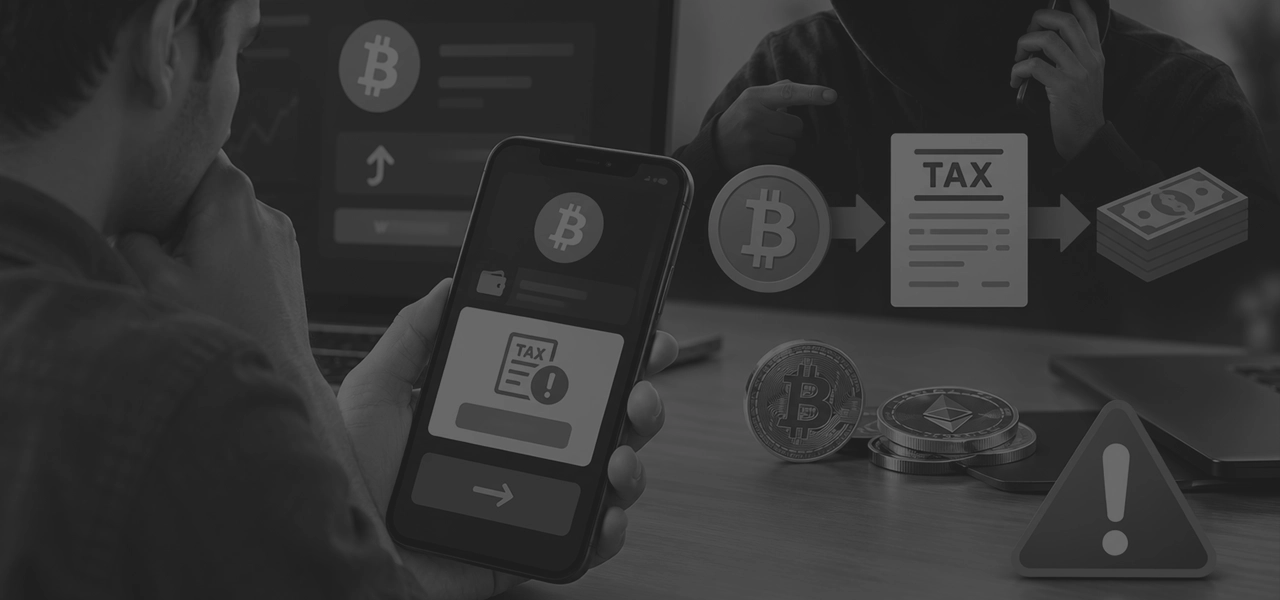
Then you try to withdraw. And that’s when the platform tells you there’s a tax, a fee, or some kind of “compliance charge” standing between you and your money. Pay it, they say, and the funds will be released immediately.
In many scam cases, paying the requested charge does not lead to the promised withdrawal.
Instead, the demand may be another attempt to obtain additional money from the victim.
Why this trick actually works
It works because it borrows the language of legitimacy. Taxes are real. Governments really do tax capital gains, including crypto profits in many countries.
Scammers count on that overlap, on you not knowing exactly where the line sits between “this could be true” and “this is fabricated.”
A confident-sounding percentage and some official terminology is often all it takes.
It also works because of sunk cost. By the time you hit the withdrawal wall, you’ve already invested real money and, often, real time watching those numbers grow.
Paying “one more fee” feels smaller than walking away from everything you’ve put in. Scammers know this, and they’ll keep inventing new charges for exactly that reason.
If you’ve already lost money to this type of scheme, fund recovery specialists may be able to help you understand the available recovery options and the steps involved.
The red flags worth memorizing
This avoids making a blanket statement about every exchange and every jurisdiction. Where cryptocurrency gains are taxable, the tax treatment and payment process depend on the applicable jurisdiction and circumstances; a platform demanding an upfront ‘tax’ solely to release your funds should be independently verified.
If a site demands an unexpected payment before allowing you to access your funds, treat it as a significant warning sign and verify the request independently. A few other signals to watch for: the platform was found through an unsolicited message, not a search or recommendation you trust.
Customer support is oddly persuasive, almost scripted, whenever you bring up leaving. Your “gains” appeared faster than any real market would produce them. Another warning sign is being instructed to pay fees in cryptocurrency to a wallet address that cannot be independently linked to a legitimate company or service.
What to actually do
If you’re staring at a withdrawal tax demand right now, stop. Don’t send more crypto. Screenshot everything: the chat history, the dashboard, the wallet addresses you’ve sent funds to. Report the fund recovery platform to your country’s financial fraud authority, and if you paid through an exchange, flag the transaction with them too.
Recovery is not assured, but reporting it helps others avoid the same mistake. The uncomfortable truth is that recovering cryptocurrency after a fraudulent transfer can be difficult, so acting quickly to document and report the incident is important.
The real defense is to catch this before you deposit a single dollar: research the platform yourself, ignore unsolicited investment pitches, and remember that an unexplained fee or tax demand presented as a condition for releasing your funds should always be independently verified before you pay.